Migraine
Light is one of the most common migraine triggers. Our tints filter the wavelengths most linked to light-triggered migraine.
Recommended tints:

NeuroTint Guide
Precision-tinted lenses that filter the specific wavelengths of light linked to your condition. Start with your condition, or compare our tints in detail below.
Choose your condition to see the tints we recommend and the glasses available.
Light is one of the most common migraine triggers. Our tints filter the wavelengths most linked to light-triggered migraine.
Recommended tints:
Around 3% of people with epilepsy are photosensitive, where flickering lights, patterns or certain wavelengths can trigger seizures.
Recommended tint:
Light sensitivity, headaches and visual discomfort are common after concussion. Filtering the right light can make everyday environments more comfortable.
Recommended tint:
A rare inherited condition that causes extreme light sensitivity, reduced visual acuity and difficulty seeing in bright conditions.
Recommended tint:
Seeing constant 'static' across your vision, often with light sensitivity and afterimages.
Recommended tint:
Each NeuroTint filters a different part of the light spectrum. Here's how they compare.
| Tint | What it filters | Best for | Intensities | |
|---|---|---|---|---|
| FL-41 | Blue-green light around 480–520 nm | Migraine · Concussion · Visual snow · Light sensitivity | Light 27% · Medium 50% · Dark 75% | Details → |
| E-Blue | Amber/orange light around 590–610 nm | Migraine · Flicker sensitivity | Light 15% · Medium 30% · Dark 50% | Details → |
| C01 Plum | Nearly all blue and green light (about 480–650 nm) | Achromatopsia · Severe light sensitivity | — | Details → |
| Z1 Blue | Yellow, orange and red light (580–640 nm) | Photosensitive epilepsy | — | Details → |
For migraine and sensitivity to harsh blue-white light
Best for
Migraine · Concussion · Visual snow · Light sensitivity
What it filters
Blue-green light around 480–520 nm
Intensities
Light 27% · Medium 50% · Dark 75%
Not sure? Start with Medium. FL-41 is usually the better choice if cool white, blue or fluorescent light is your main trigger.
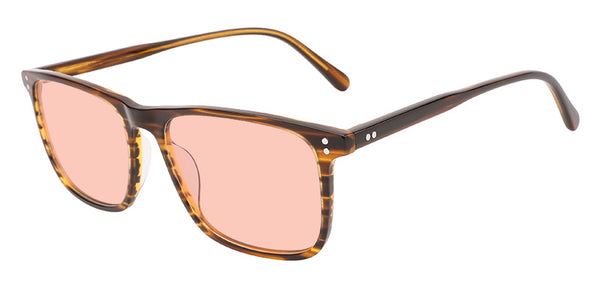
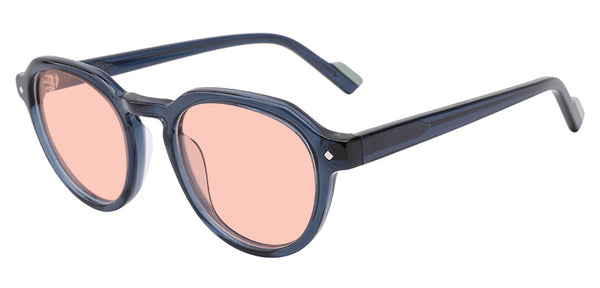
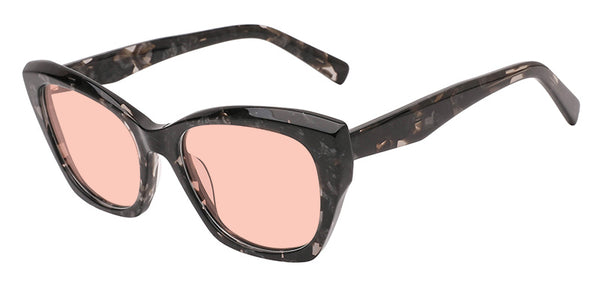
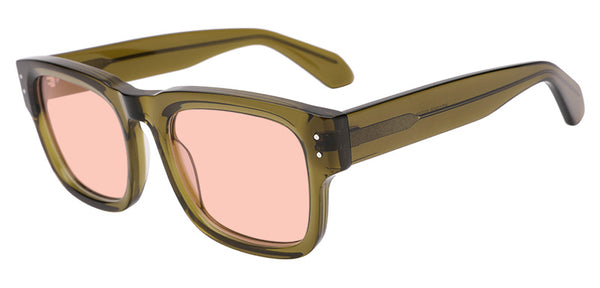
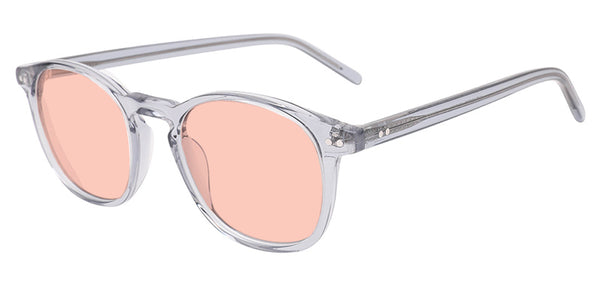
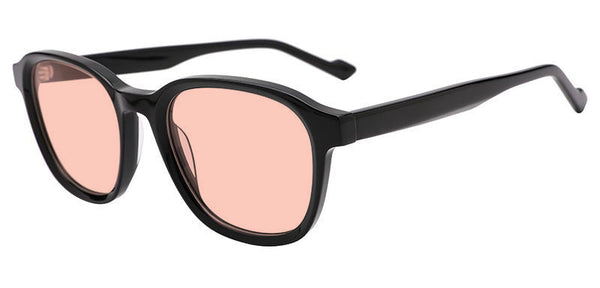
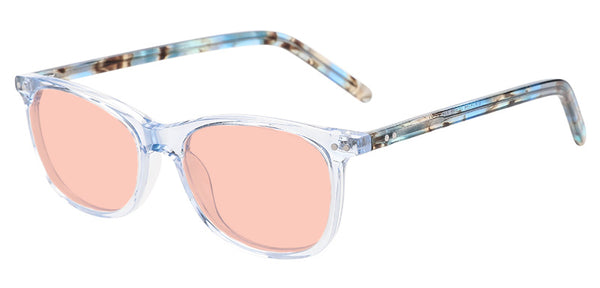
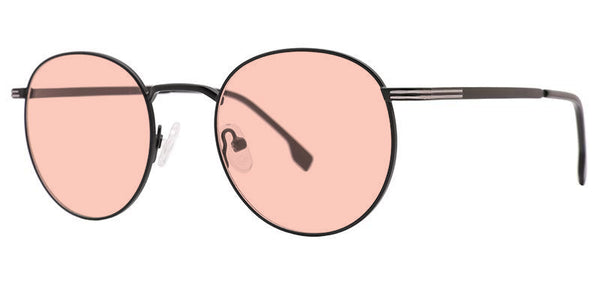
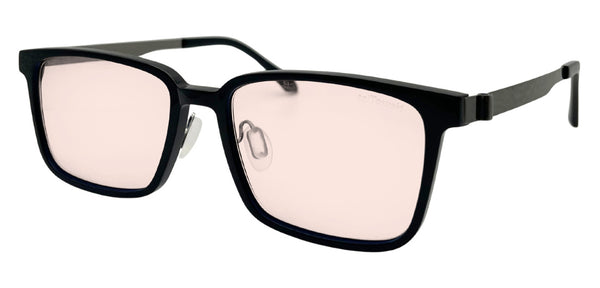
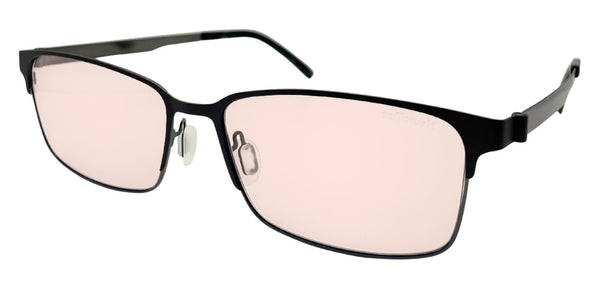
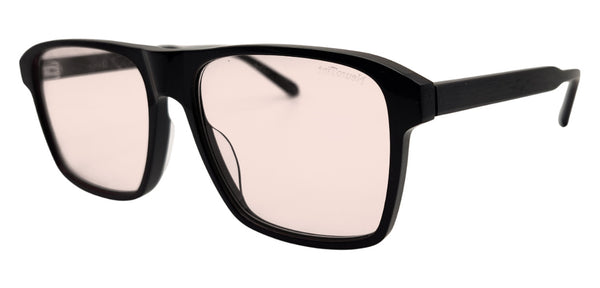
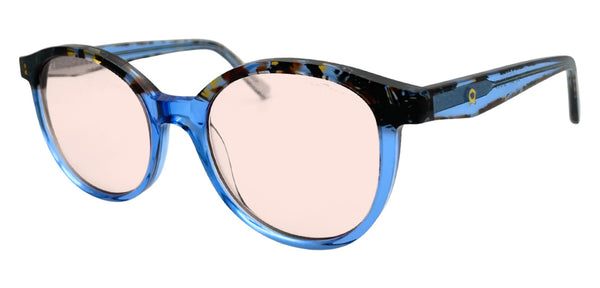
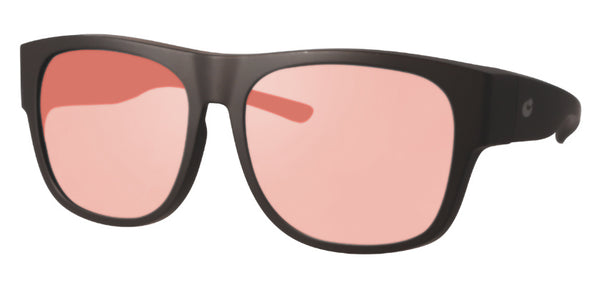
For migraine triggered by amber light and flicker
Best for
Migraine · Flicker sensitivity
What it filters
Amber/orange light around 590–610 nm
Intensities
Light 15% · Medium 30% · Dark 50%
E-Blue may suit you if flicker, patterns, screens and video calls, driving past trees, or warm yellow/amber lighting set off your symptoms. Not sure? Start with Medium.
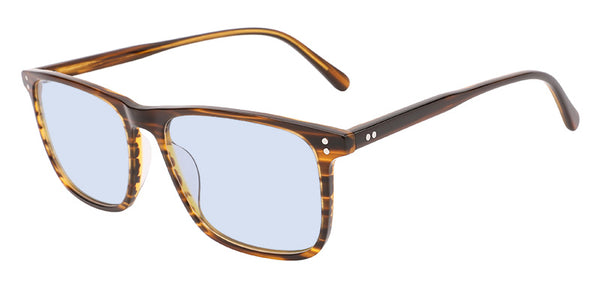
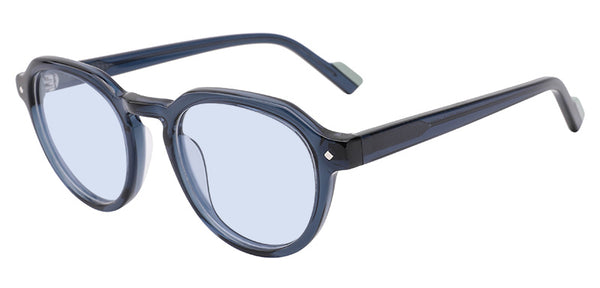
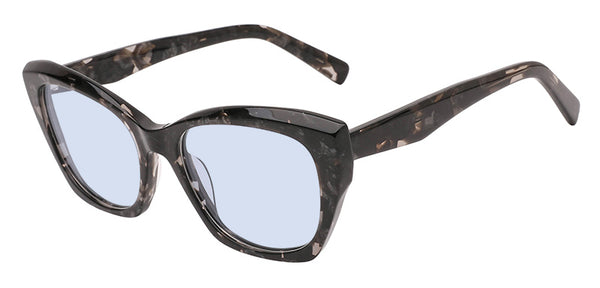
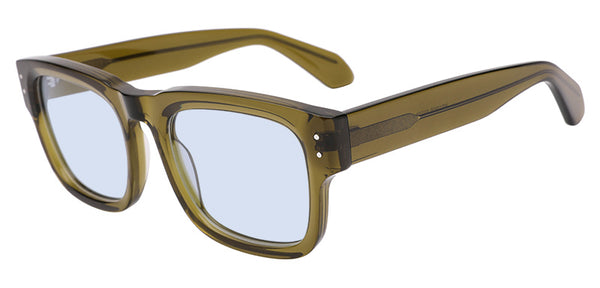
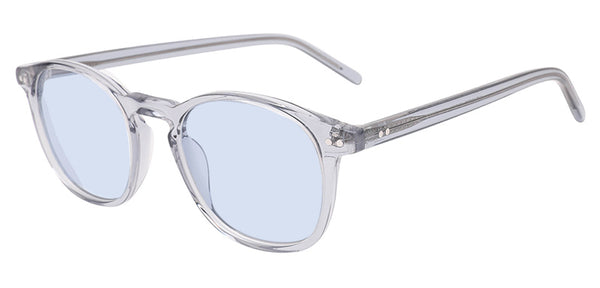
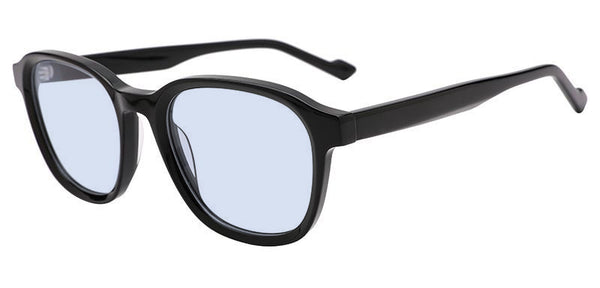
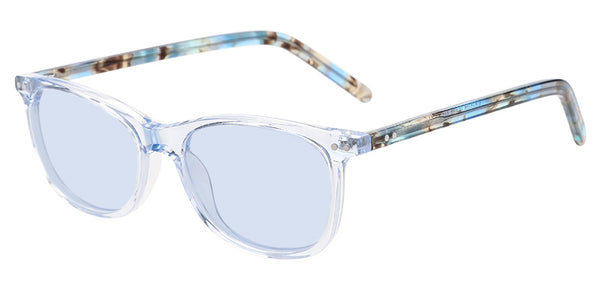
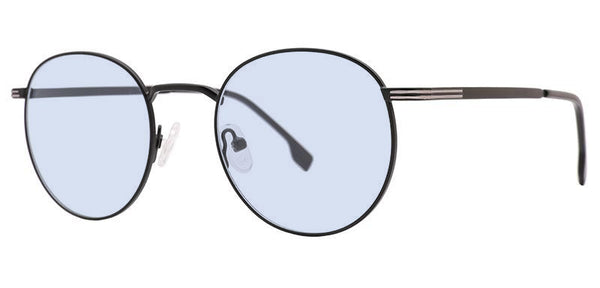
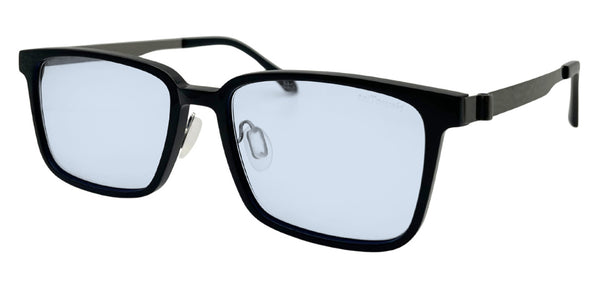
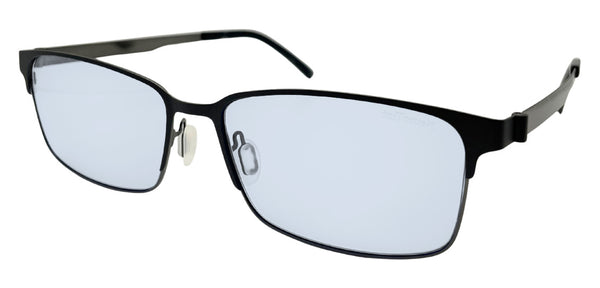
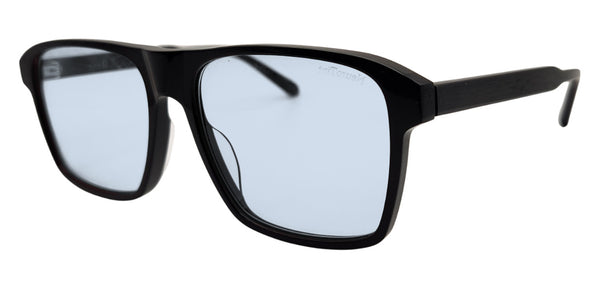
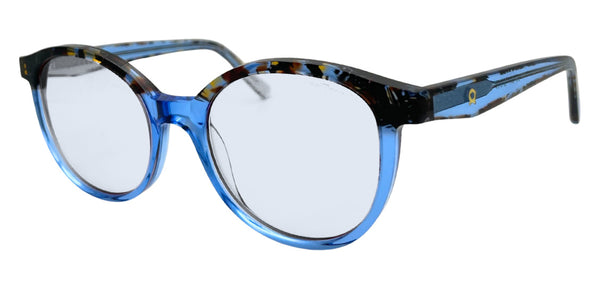
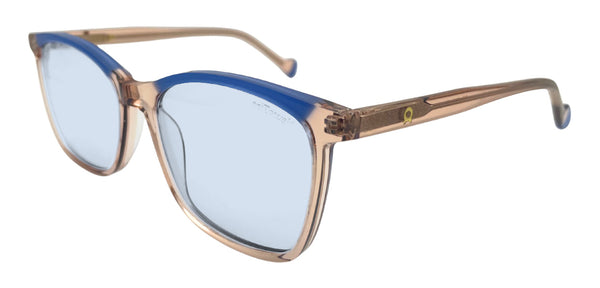
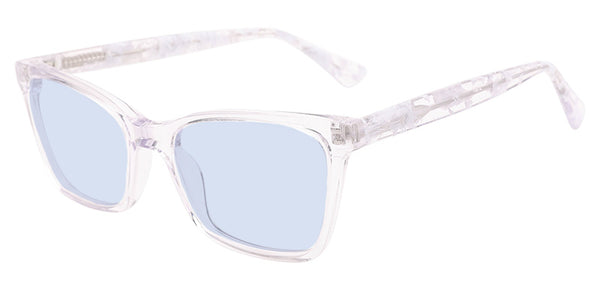
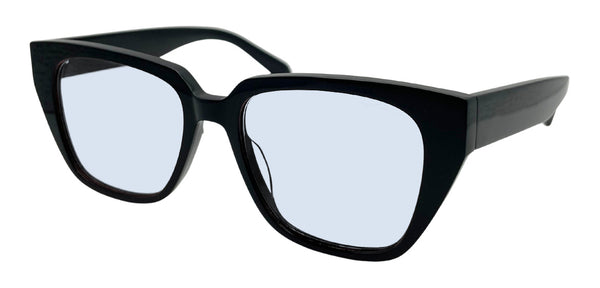
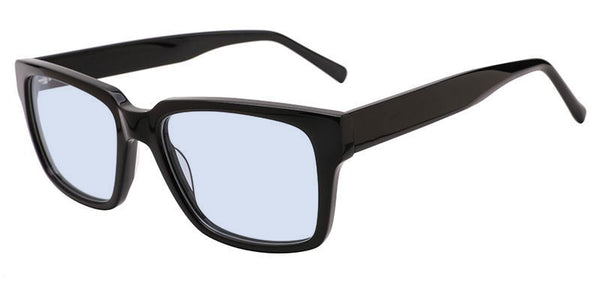
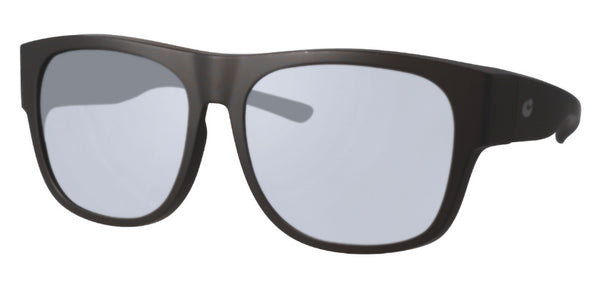
For achromatopsia and severe light sensitivity
Best for
Achromatopsia · Severe light sensitivity
What it filters
Nearly all blue and green light (about 480–650 nm)
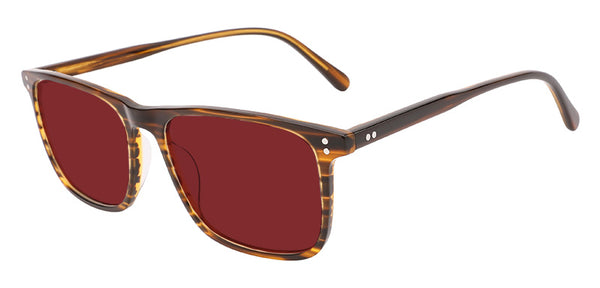
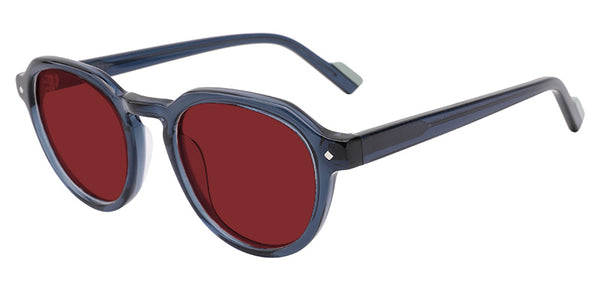
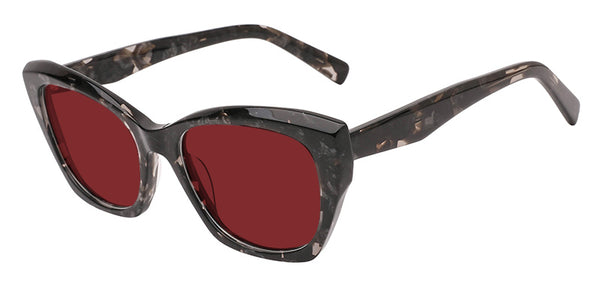
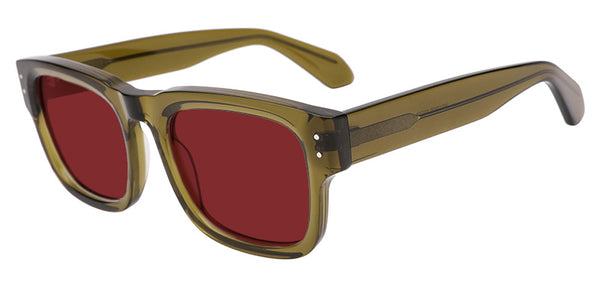
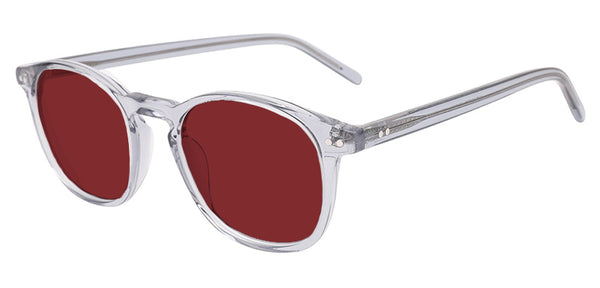
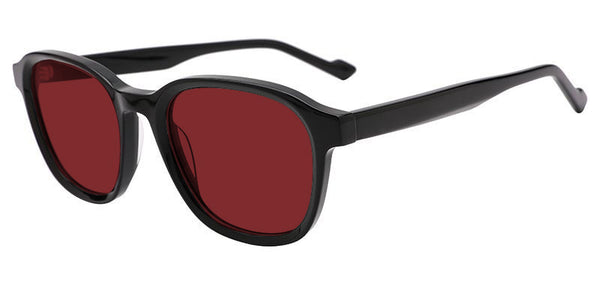
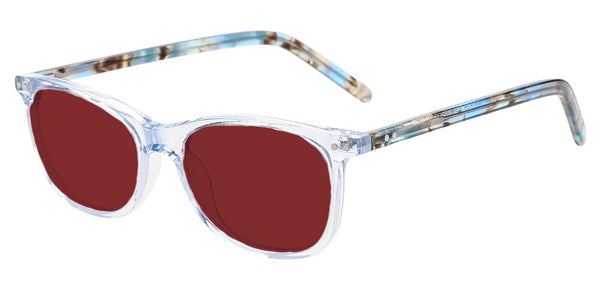
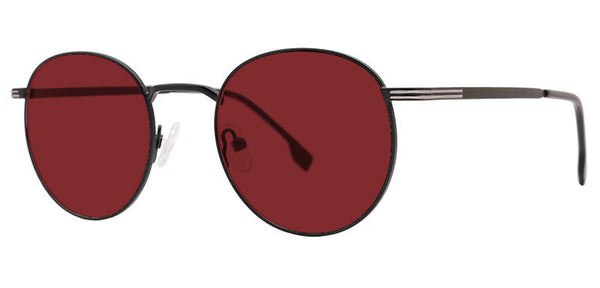
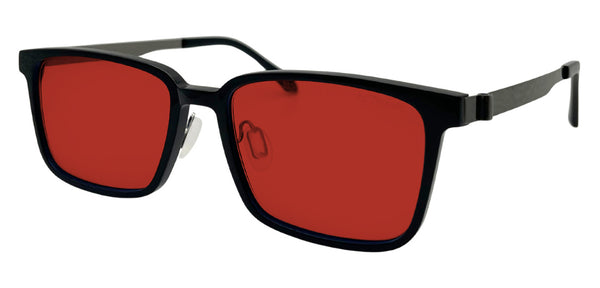
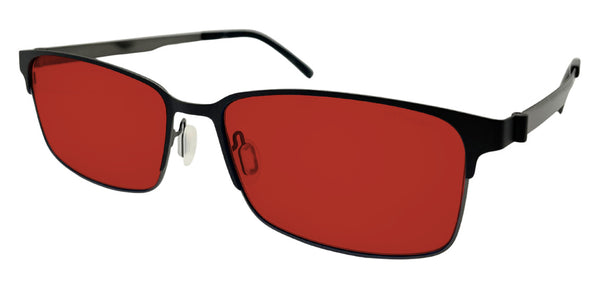
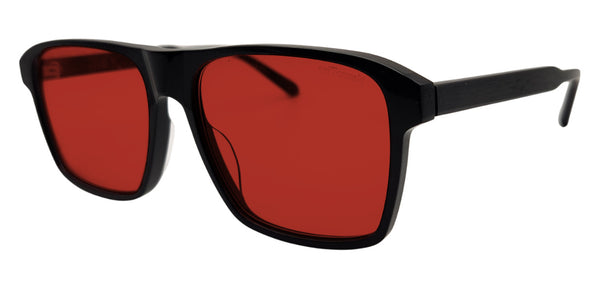
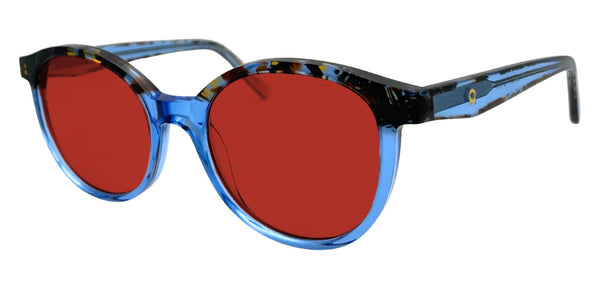
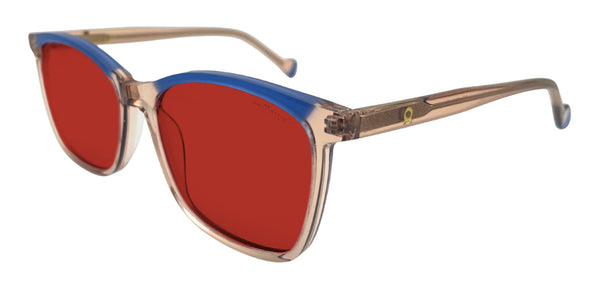
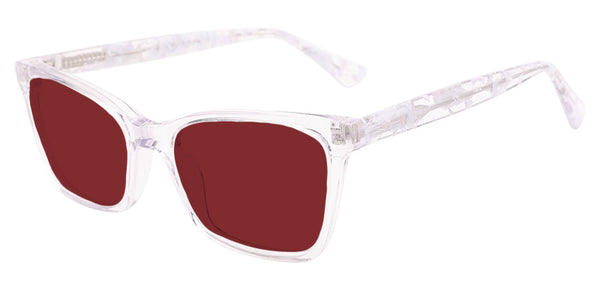
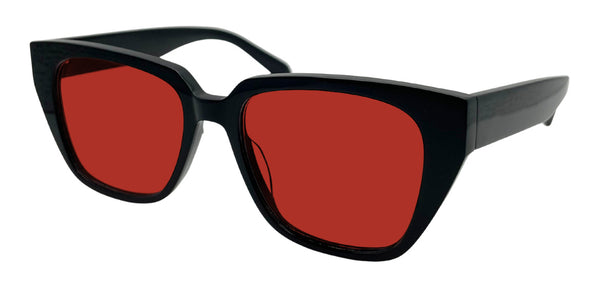
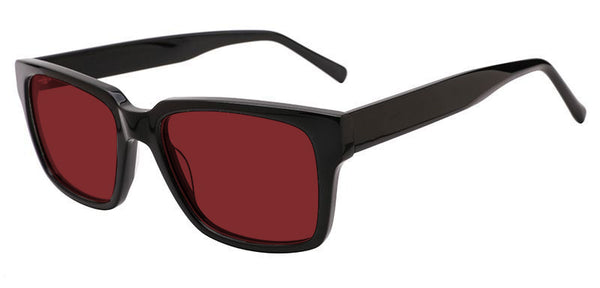
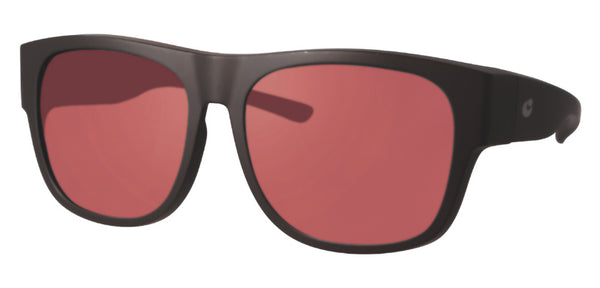
For photosensitive epilepsy
Best for
Photosensitive epilepsy
What it filters
Yellow, orange and red light (580–640 nm)
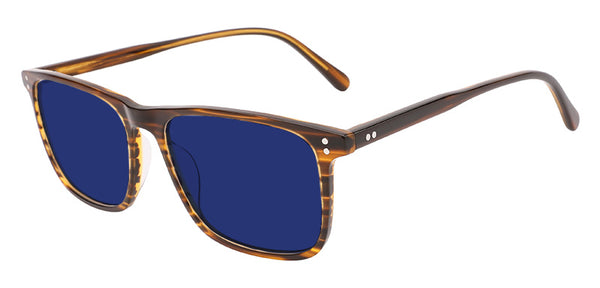
Answer a few quick questions and we'll recommend a tint, or get in touch and our team will help.
Full references are listed on each condition page.